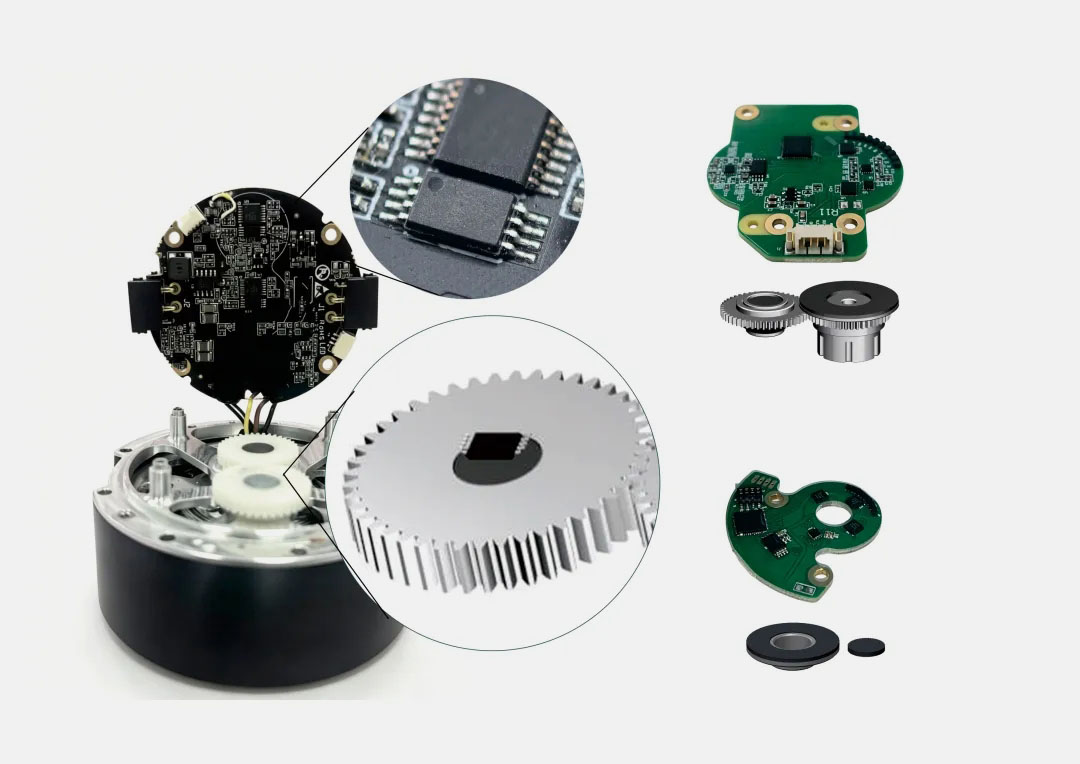
New Product Release | BBT Series TMR Magnetic Angle Sensor
Empowering intelligent joints with functional safety support
Directly targeting the pain points of the encoder
Signal direct connection controller MCU
Large scale landing of intelligent joint modules for vehicles
In the fields of humanoid robots, servo joints, and precision motor control, traditional encoder angle chips have long been plagued by three major industry pain points: high signal delay, high overall cost, and low signal-to-noise ratio. The long signal conditioning link leads to feedback lag, complex peripheral circuits increase BOM costs, and high noise interference causes motor shaking and joint jamming, seriously restricting the smoothness and control performance of intelligent devices.
To this end, we have launched the BBT series TMR magnetic angle sensor, which addresses industry pain points and balances high performance and functional safety. It has been widely applied in intelligent joint modules for robots, providing high-performance, lightweight, and high safety angle sensing solutions for robot joints and servo motors.

BBT-A908D0805 |
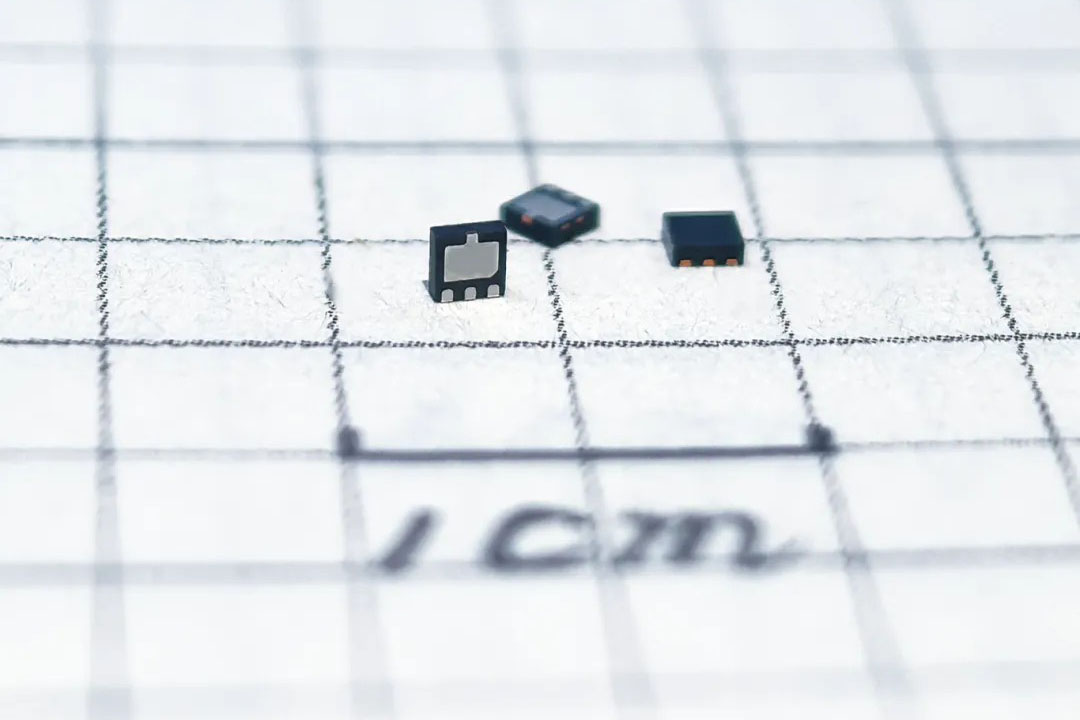
BBT-A908E9D16 |
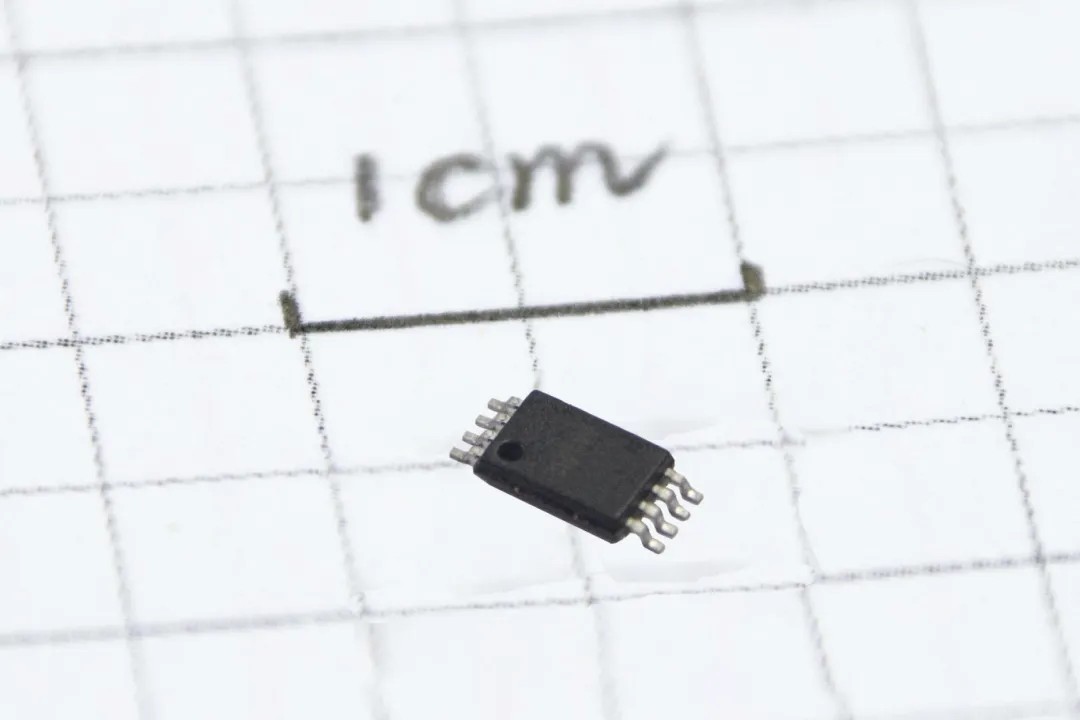
BBT-A903TS8-SM03P |
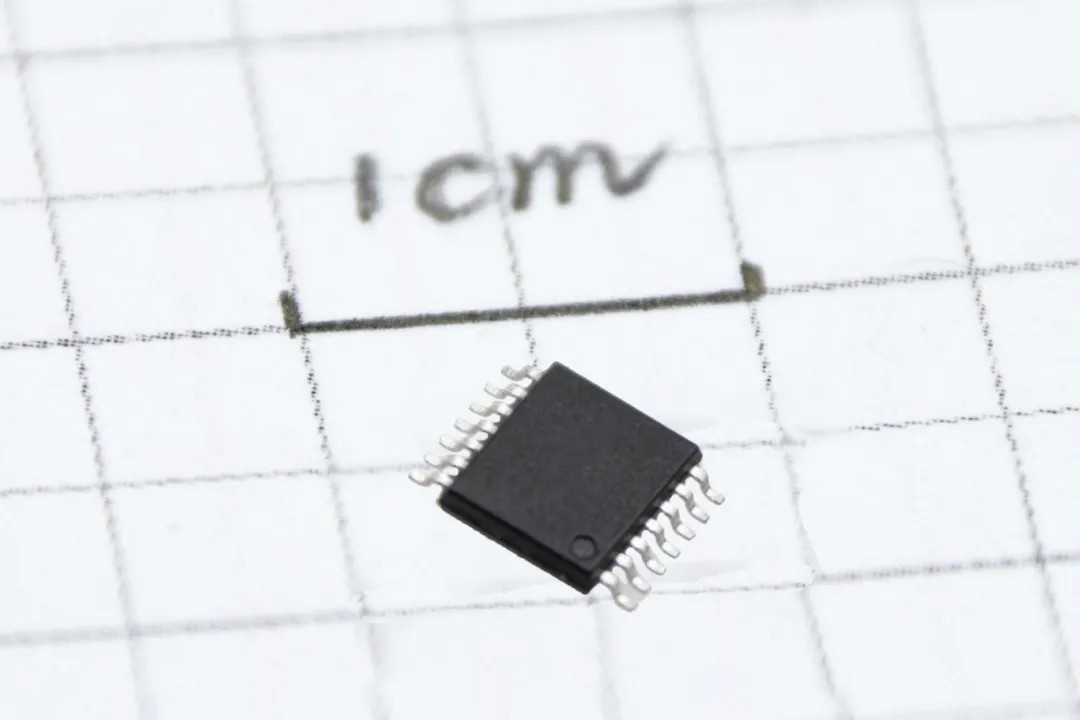
BBT-A903TS16DAA |
Precise breakthrough, targeting the three core pain points of traditional encoders
✅ Say goodbye to high latency | TMR native signal output, feedback speed without lag
Abandoning the traditional encoder complex signal processing chain, BBT adopts TMR tunnel reluctance chip for native high signal output, without the need for multi-level conditioning. The signal is directly output to the motor control MCU, greatly reducing signal transmission delay, achieving real-time angle feedback, and adapting to high-speed dynamic joint motion control.
✅ Say goodbye to high costs | No peripheral circuits, significantly reducing overall BOM
No peripheral circuit design, no need for supporting signal conditioning components, completely simplifying hardware design and wiring, reducing material quantity and development and debugging costs; The compact structure of the sensor body is suitable for miniaturization and integration of joint modules, and the overall cost is far superior to traditional encoder solutions.
✅ Say goodbye to low signal-to-noise ratio | Pure signal output, suppress jitter and lag
Relying on the excellent physical properties of TMR technology, it achieves ultra-high signal-to-noise ratio, true and stable angle signals, strong anti-interference ability, and no clutter distortion. Without any filtering processing, it is possible to achieve a motor speed fluctuation of less than 2%, solving the problems of joint shaking, low-speed crawling, and motion lag from the root.
✅ Building functional safety | Adapting to high reliability control scenarios
Supporting comprehensive functional safety design, supporting signal anomaly detection and fault self diagnosis capabilities, real-time monitoring of angle signal transmission status, and quick feedback of fault information in case of signal anomalies, power outages, and other emergencies, ensuring safe shutdown and stable reset of motors and joint modules, avoiding equipment damage or loss of control, adapting to scenarios with strict safety requirements such as intelligent robots and industrial precision control, and complying with industrial level functional safety standards.
Hardcore performance, empowering embodied intelligent precision control
• Measurement accuracy up to 0.1 °: Accurately capturing small angle changes, closed-loop control is delicate and smooth, improving joint positioning accuracy
• Non contact structure: No mechanical wear, resistant to vibration, oil pollution, dust, industrial grade stability and reliability
• Functional safety assurance: supports fault self diagnosis, signal anomaly detection, and builds a strong defense line for equipment operation safety
• Large scale implementation: applied in large quantities to intelligent joint modules for humanoid robots, quadruped robots, dexterous hands, etc., verified through actual working conditions
Application scenarios
Tailored intelligent robot joints, humanoid robot servo modules, industrial precision actuators, servo/stepper motor closed-loop control, bionic dexterous hands, multi degree of freedom precision transmission equipment, etc.
The BBT series TMR magnetic angle sensor, with its core advantages of low latency, low cost, high signal-to-noise ratio, high precision, direct signal connection to MCU, and functional safety assurance, fills the gaps of traditional encoders and deeply adapts to the joint control needs of the intelligent era. With mature and reliable sensing technology, it helps intelligent robots achieve smoother, more stable, safer, and more accurate motion performance.